


Article
May 20, 2021
TaaS: a shift in mindset
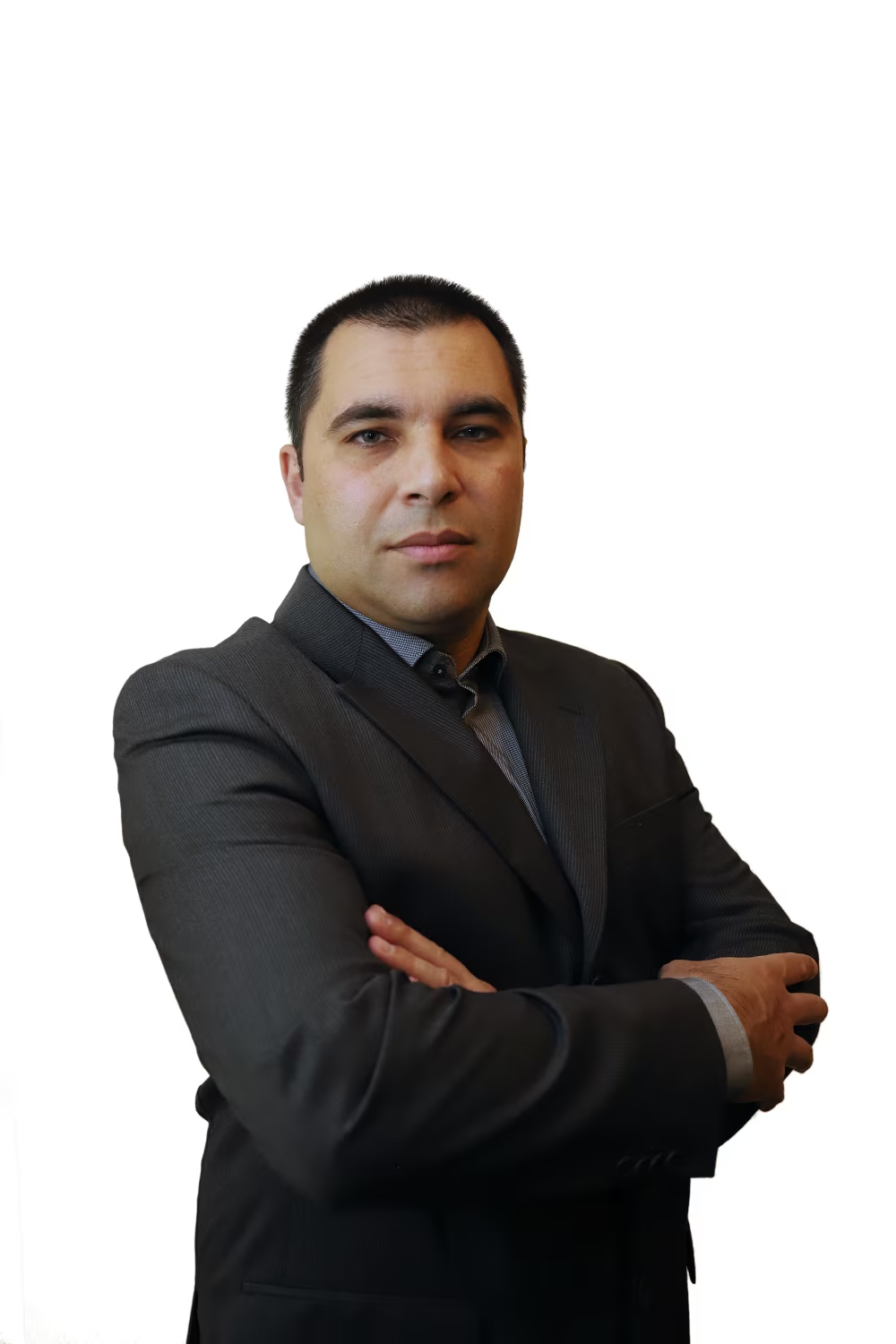
Opinion article by José Machado, Senior Manager at KCS iT. Originally published in Computerworld and available below.
Whenever Humanity has suffered great hardship and drastic changes to its way of life, it has managed to improvise, adapt, and overcome the difficulties imposed on it. Above all, it learned, evolved, and changed the way it thinks. In companies too, mindset and culture keep adapting and progressing, shaped and influenced by external factors.
One of the things the pandemic, and the resulting lockdown, showed us was that it's possible to work remotely, collaboratively, and just as - or even more - efficiently than the traditional physical presence in an office. For that to happen, there had to be cultural and mindset shifts: managers gave up in-person control and started trusting their employees more, and employees became more disciplined and took on the weight of that responsibility. In the end, everyone came out ahead. Companies reduced operational costs, managers delegated authority, focusing more on business and management. Employees increased their motivation levels, boosting their commitment and productivity, largely due to the quality of life gained from no longer having to face endless hours commuting from home to the office and back every day.
The first few months weren't easy for anyone, since not everyone was prepared to have a home office, let alone a "kindergarten" in the next room. Even so, we improvised, adapted, and overcame every difficulty. In the world of technology companies, especially in IT fields, that adaptation to "home office" was certainly easier, since many of us already had that flexibility. For many others, it served to break the psychological barrier that it's possible to work remotely and still, at the same time, work closely with the rest of the team. Many are probably thinking now: if I can work remotely for a company based in the same country as me, why couldn't I do it for one on the other side of the globe? Companies too started viewing remote team collaboration differently. This shift in mindset provided the openness needed to adopt the outsourcing of development project teams as a service. This is where Team as a Service (TaaS) comes in.
The TaaS service is much more than outsourcing a few functions on the team to gain capacity and knowledge, as in the Team Extension model, commonly known as Outsourcing. It involves acquiring an entire multi-disciplinary team with scalable capacity and certified skills to develop a product or service end-to-end, integrated with the deployment processes already established at the contracting organization (the client). The advantages are clear: the client focuses on the business and the project's requirements, leaving the selection, recruitment, training, and coaching of team members, as well as the operational management of the team and its execution, to the service-providing company (the vendor). As a result, the client company can free its development teams for more strategic, core projects and reduce the time-to-market of a product or service, while also benefiting from teams designed to fit its business's specific needs, which it can quickly hire for exactly the time and purpose required. This model serves both SMEs with IT departments too small to develop custom products, and large companies with occasional needs, whether due to increased capacity requirements or a lack of internal know-how to embrace new technologies.
The future of On-shore TaaS service will be its internationalization, Near- or Off-shore, with teams made up of members from different countries and continents, sometimes across very different time zones. To achieve this, the success of the international TaaS service depends on ensuring quality global recruitment, certified online training, collaborative Cloud tools, agile management and development methodologies, talent retention policies, and, of course, adopting the concept of a global salary. Above all, in either case, leadership, communication, and good team management will be crucial to the success of this service, and this will need to be ensured by someone with the profile of a Project Manager, Scrum Master, or Team Leader. This person will need excellent soft skills, as they will be the key point of contact between the project team and the client that engaged it. They are what guarantees the entire "machine" will run continuously, efficiently, and effectively so that its objectives are met within the agreed terms.
This is a shift in mindset that is more than necessary. It opens up an entirely new perspective on how the outsourcing of Software development teams will come to be viewed. This will become a service embedded in the culture and ecosystem of companies' IT departments.

INTERNSHIPS



Your first step into tech can start here.
For students taking their first steps into the industry, curricular and professional internships offer hands-on learning in a collaborative environment, with opportunities to progress into a Junior Consultant role.
Join as an Intern