


Article
May 13, 2020
How Can Technology Help in the (Post-)COVID World?
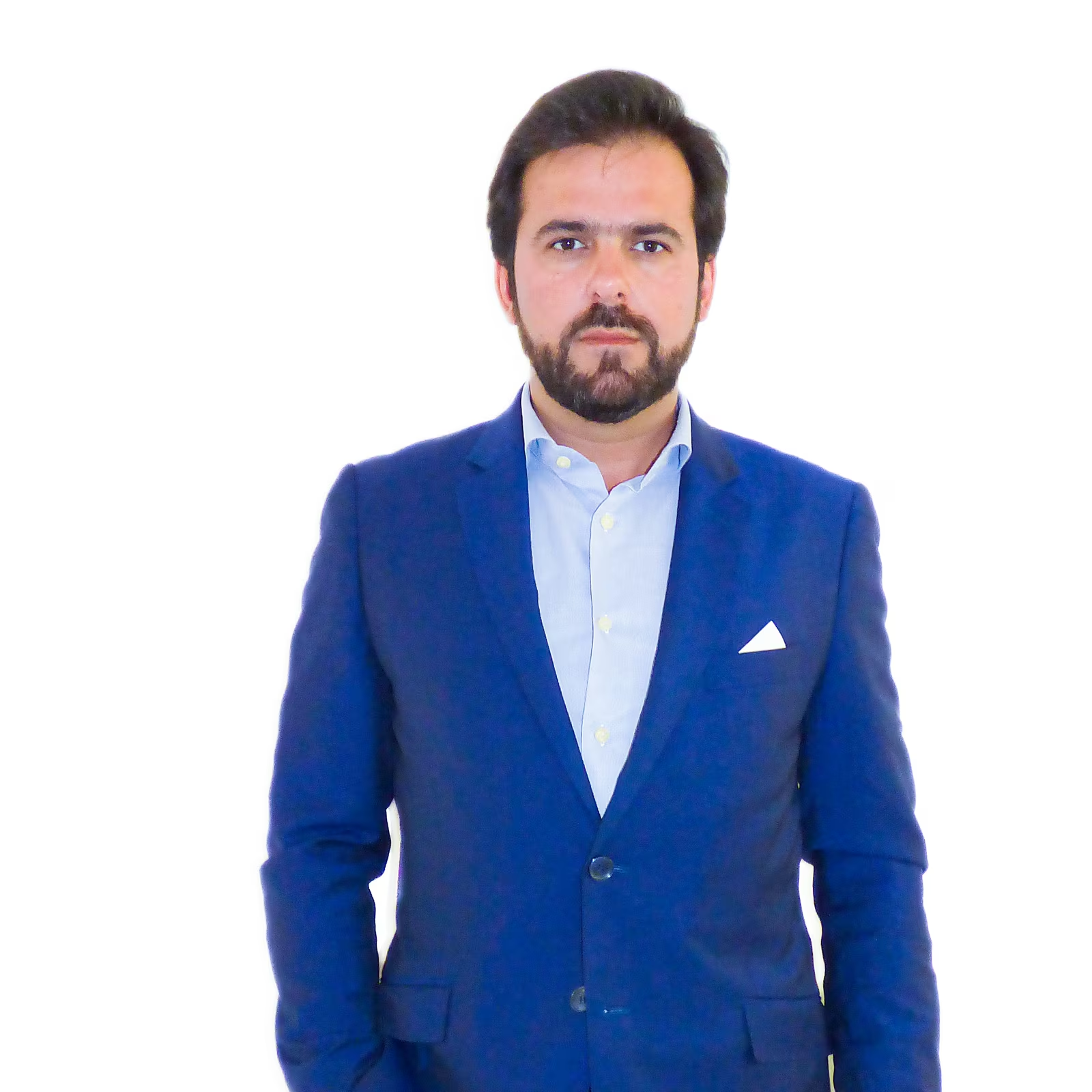
Article authored by Tiago Farinha, CEO of KCS iT, originally published in SAPO TeK
In little more than a couple of months, the World, as we knew it, changed, and the one responsible is called COVID-19. All of us, without exception, were forced to adapt to its consequences, with profound changes still looming on the horizon across every aspect of our society, perhaps similar to an extended-release medication or a watermark.
At this stage, there's no longer any doubt that, despite living through an unparalleled lockdown and social isolation, we've abolished the individualism that so characterized us and are more connected than ever. Values such as altruism, humanity, courage, and unconditional commitment are emerging everywhere in society.
Nothing will be the same, and the Innovation and Technology sector, besides having to carry out its own internal realignment, will have an important role to play in society and the economy once the pandemic wave subsides.
The digitization of the economy will assert itself
The internet, so often blamed for causing isolation when used in excess, is these days our main window to the world. One of the consequences of this crisis is the acceleration of how we take advantage of all the potential the network offers us.
The terms Digital Transformation and Digital Economy are now massively part of our everyday vocabulary, though still subject to the natural resistance and limitations imposed by our human and social condition. We're witnessing an explosion of the digital economy comparable only to the astronomical phenomenon of a supernova. This trend is necessarily here to stay, and businesses across the board must adjust their internal processes to accommodate and maximize all the digital groundwork this period has allowed us to develop (skills, mindset, tools, working methods, new routines, etc.).
Lives, services, and products in the age of (post-)social conditioning
"Stay home." We're massively bombarded with this message. "It's all going to be fine," but it will take time. Perhaps the time needed for the population to develop immunity or for a vaccine to be developed, tested, show good results, and be made available to everyone. Until then, stop everything that isn't absolutely essential, and everyone stay home. This reality forced us to reinvent and adopt new routines.
This near-sabbatical pause has led us to redesign social and economic relationships as we knew them, opening space for a truly globalized and digital society to grow, one much more based on e-products and e-services. In this context, technology stands out as an excellent strategic partner, not only for implementing solutions, but also, and above all, for supporting the maximization and building of bridges toward the digitization of every business process. We all have to do more with less, and only technology knows how to solve this equation.
Reorganizing ways of working
A genuine revolution has taken place in the way all of us work. In truth, I believe the other side of a crisis is necessarily the search for opportunity. In this case, we're at the exact right moment to demystify remote work and definitively turn it into a way of practicing a profession that, to the right extent, should compete head-to-head with the in-office model. It's worth considering that this way of working, among other advantages, reduces costs and boosts employee satisfaction and motivation, since it impacts work-life balance. As such, it will stop being seen as a utopia or a synonym for unproductivity and will necessarily become the norm rather than the exception. There are indicators proving increased systematization of services, quality, and focus. Remote work, already present in several IT areas such as Nearshore, will become more common in mixed or fully remote forms, with an impact at every level.
Leaders in these organizations will face a double challenge: on one hand, they'll have to develop all the skills needed to carry out remote work, and on the other, they'll also have to develop strategies that ensure fluid, effective team communication. It's also their responsibility to ensure employees remain motivated and productive, guaranteeing the sustainability of the business. Culturally, teams were used to the closeness of management, and guaranteeing that remotely will certainly be a challenging task that will push us all out of our comfort zones. Giving teams autonomy, communicating, and managing results are some possible strategies to ensure remote leadership, but these factors will have to be aligned with key skills that employees will also need to develop, namely self-motivation, autonomy, flexibility, and responsibility. These soft skills, already important in themselves, will become mandatory in professional profiles in KCS IT's recruitment processes.
Reskilling talent for a sector in need
Over the last decade, the need for specialized talent in the technology field in Portugal has been progressively intensifying. The growing need for professionals at local companies, the creation of centers of excellence by international organizations, among other factors, are driving an increase in market demand for IT skills and, necessarily, a greater scarcity of these professionals. A likely economic recession will lead many people to retrain their skills, aligning them with sectors where there are, and will be, more job opportunities. In this context, there are already several programs and measures with recognized success, aimed at career conversion into the IT sector.
Portugal will increasingly become Europe's tech hub
If in recent years our country has been increasingly sought after as a base for technology centers by international consortia, the next decade could see this investment redouble. The skills and talent of our professionals, our geographic advantages, and our economic competitiveness compared to other countries will certainly increase the weight technology companies' services have in Portugal's GDP.
Closeness and responsiveness
It may seem like a paradox, but the era of social distancing we're living through, and its aftermath, will demand greater closeness between managers, clients, and employees. In the ecosystem of Innovation and Technology companies, such as KCS iT, practices are already embedded that require greater responsiveness to reported needs. It's not just about management methodology and efficiency, but about humanizing and building close relationships among the various parties who turn a product or service into reality.
In summary, keeping firmly in mind the strong impacts of the COVID-19 pandemic on our lives and those ahead for the economy, I have to face the future with optimism. In fact, we, the Portuguese, have often proven our resilience in complex moments. More than being focused on the crisis, I am, and will remain, attentive to the opportunities for development and positive change that this new reality presents us with. I count on the help of my entire team to reinvent and turn the meaning of weakness into competitive advantage.



INTERNSHIPS



Your first step into tech can start here.
For students taking their first steps into the industry, curricular and professional internships offer hands-on learning in a collaborative environment, with opportunities to progress into a Junior Consultant role.
Join as an Intern